Placental Encapsulation: Its Importance and Benefits
Many women choose placental encapsulation after birth to gently restore balance, boost vitality, and support their postpartum journey. Placentophagy describes the process of taking the placenta after birth, dehydrating it and putting it into capsules which can be consumed postnatally and during menopause. This practice is chosen by women for a variety of reasons, from its ability to provide hormonal support to boost energy and reduce fatigue naturally.
The Placenta is a temporary endocrine organ maintaining pregnancy, supporting foetal growth and regulating maternal metabolism, providing oxygen and other essential nutrients to the foetus whilst removing waste via the umbilical cord. It produces essential pregnancy maintaining hormones like estrogens, progesterone, human chorionic gonadotropin (hCG), human placental lactogen (hPL), placental growth hormone (PGH), relaxin and protective antibodies, for better immunity, whilst separating the maternal and foetal blood. All of this in one bag! & What a bag! Treasure it.
Just some of the reported benefits of placental encapsulation include reduced mood swings, anxiety, increased energy levels, faster recovery from birth, and more. For those who haven’t heard or tried placental encapsulation before, it’s natural to feel unsure about how it works, why people do it and what benefits it might offer. Below, Eve shares more about placental encapsulation and its benefits so that you can learn more about this magical holistic postpartum practice.
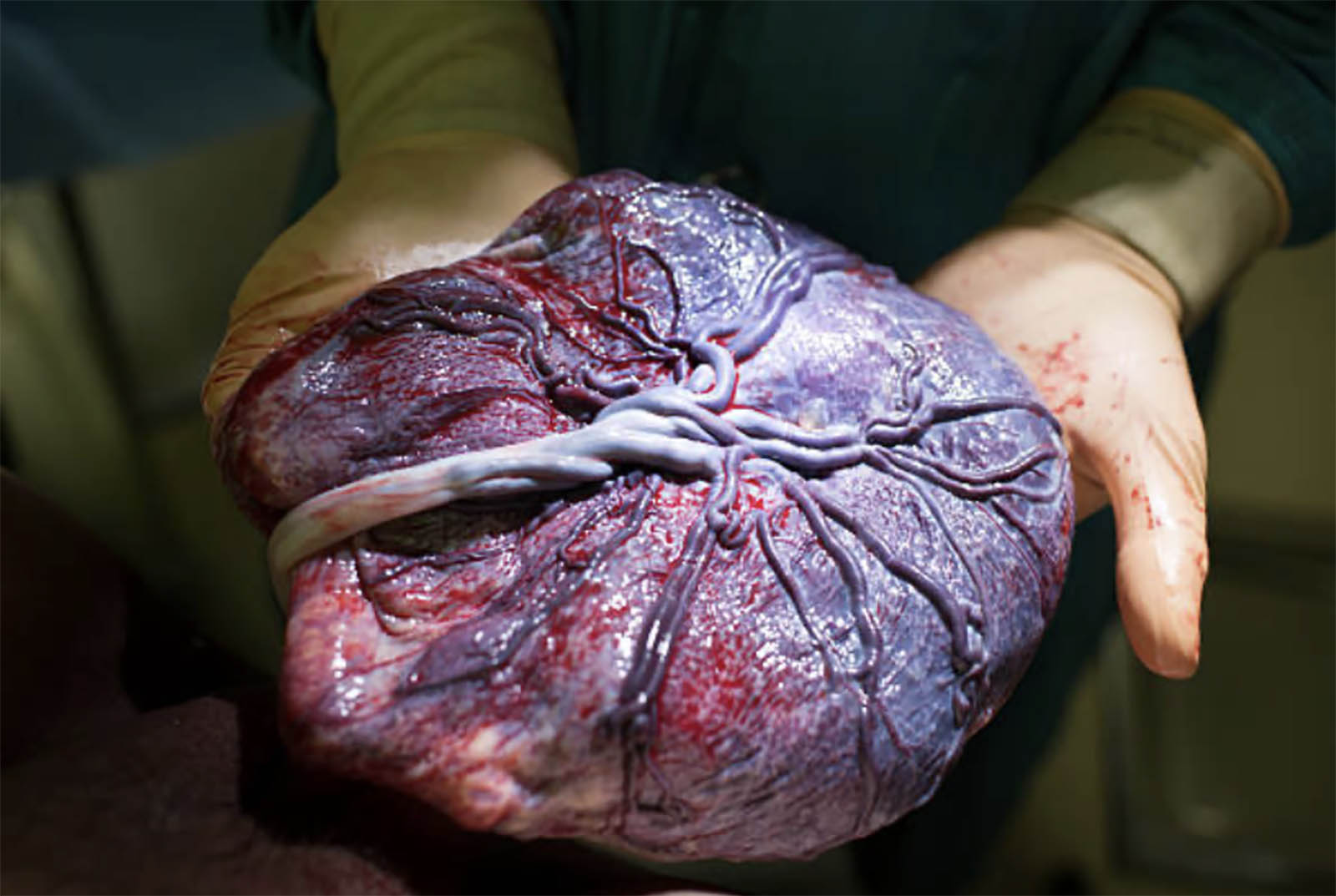
What is Placental Encapsulation?
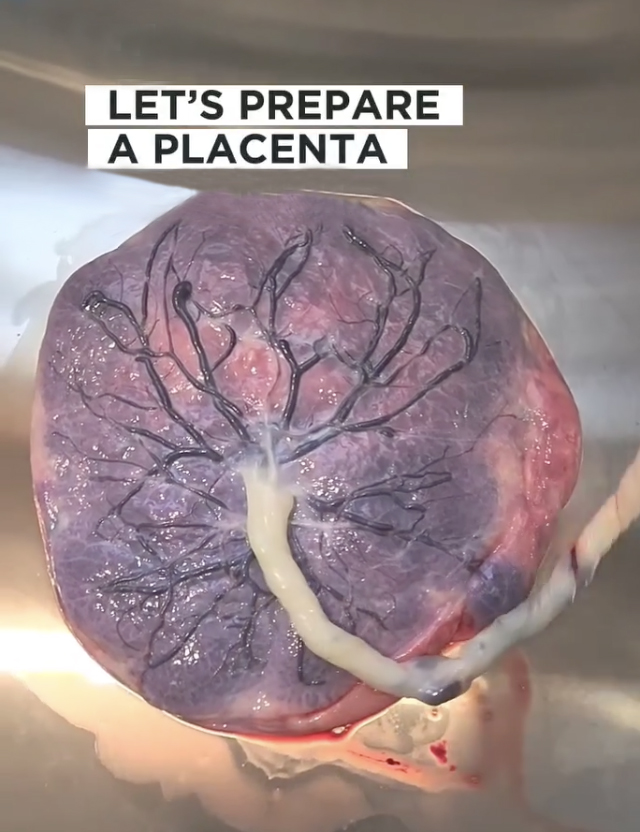
Placental encapsulation is when a woman’s placenta is collected after birth and then turned into capsules for consumption. The placenta is dehydrated, ground into a fine powder, and then placed into capsules which can be taken like a supplement. It is believed to support recovery, balance hormones, boost energy, replenish iron, and enhance milk production.
The practice has been around for centuries, with roots in traditional cultures around the world, including Native American, Chinese, Asian, South American,… where the placenta was often consumed cannibalistically for its restoratively nutritional and nurturing properties. It has now been adapted into modern, hygienic forms, like homeopathic remedies, tinctures, supplements, gummies and smoothies that many women choose after childbirth.
Why Women Choose Placental Encapsulation
Women are often drawn to placental encapsulation to support their recovery and well-being after birth. It can help boost energy, balance hormones, aid milk supply, and reduce anxiety, and is seen as a natural, holistic approach. It can also provide mothers with a way to feel actively and responsibily involved in their postpartum healing. Here, we share reasons many women turn to placental encapsulation and how it may support their postpartum recovery and their overall transition into early motherhood.
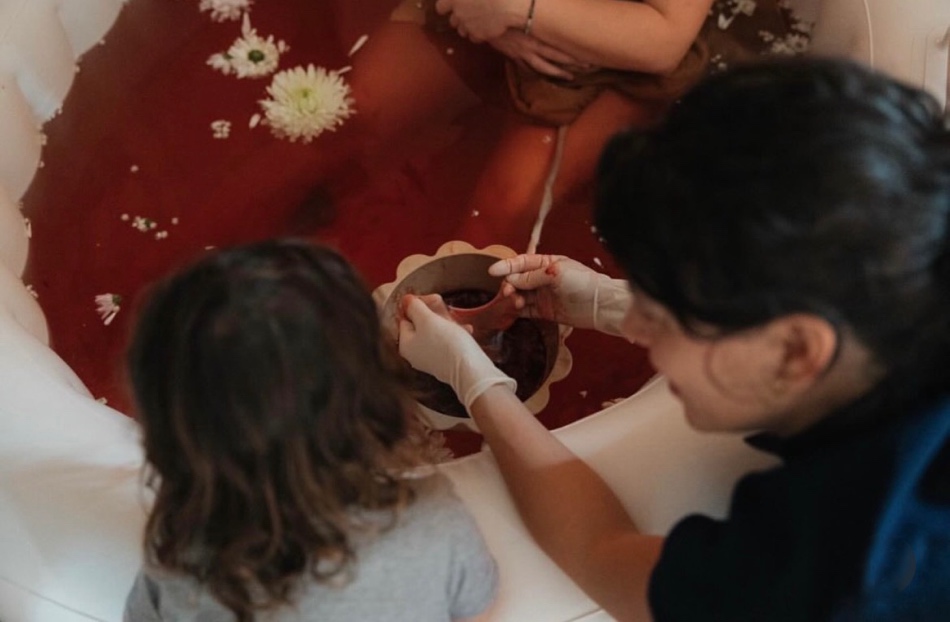
Hormonal Support and Mood Balance
After giving birth, hormone levels drop rapidly, which can then lead to mood swings, anxiety, or postpartum baby blues. Consuming the placenta helps restore hormonal balance and many women report feeling calmer, emotionally steadier, more grounded and better able to cope with the emotional changes of early motherhood, offering reassurance during a period that is usually overwhelming.
Energy and Nutrient Replenishment
Childbirth is extremely exhausting, and blood loss can leave mothers feeling drained both mentally and physically. The placenta contains iron, B vitamins, and other nutrients that support natural energy levels and help combat fatigue. Women who choose encapsulation often feel a boost in vitality, which can improve their ability to care for their newborn and recover more effectively.
Supporting Milk Supply and Recovery
Some mothers find that consuming the placenta can also help with lactation, supporting milk production and breastfeeding. In addition, the nutrients and growth factors in the placenta help aid postpartum healing, promoting tissue recovery and overall wellbeing. For many, this practice complements other forms of self-care and helps make the postpartum experience be calmer and smoother.
Highlighting the Benefits of Placental Encapsulation
Placental encapsulation is known to have a variety of benefits, from helping women have a more balanced, calmer emotional state to enhancing physical recovery and replenishing iron. It’s said to support both physical and emotional postpartum recovery, without the need for additional medications or supplements. Below, we explore five benefits that women associate with placental encapsulation.
- Reduced Mood Swings and Anxiety: After birth, hormonal fluctuations can leave women feeling anxious, irritable, or emotionally low. Consuming the placenta can help stabilise hormones such as estrogen, progesterone, and relaxin, potentially supporting a calmer, more balanced emotional state. Many women report improved mood, greater resilience, and greater emotional well-being during the early postpartum period.
- Increased Energy Levels: The physical demands of childbirth and early motherhood can leave mothers feeling fatigued. Placental encapsulation is believed to provide nutrients such as iron and B vitamins that help replenish energy stores. Many women report feeling more alert, less tired, and better able to manage daily tasks while caring for their newborn, resting, replenishing and recovering themselves with postnatal doula and or family support.
- Enhanced Milk Production: Some mothers find that consuming placenta capsules can help support lactation. The nutrients and hormones in the placenta are believed to aid milk supply, improving breastfeeding confidence and consistency. While responses vary, many women notice better milk flow and a more comfortable breastfeeding experience when incorporating placental encapsulation methods into their routine.
- Faster Physical Recovery: Placenta capsules are also thought to contain growth factors and nutrients that support tissue repair and postpartum healing. Women report reduced soreness, improved recovery from birth-related muscle and ligamental strain, and an overall sense of restoration in the weeks following delivery. This benefit can complement other recovery methods, including rest, massage, and gentle breath led movement like yoga.
- Iron Replenishment: Blood loss during childbirth can lead to low iron levels, contributing to fatigue and weakness. Placenta capsules contain iron, which some women find helps replenish their stores more effectively, supporting overall energy, reducing postpartum anaemia symptoms, and contributing to a stronger, healthier recovery during the critical early weeks after birth.
Support Your Postpartum Journey with Eve Khambatta
Eve Khambatta is a highly experienced massage therapist, yoga teacher, and doula based in London, offering holistic support for women before, during, and after birth. With over 25 years of experience, Eve can provide guidance and advice to mothers who are curious about placental encapsulation, helping them understand the practice and explore their options.
She also offers prenatal and postnatal massage, yoga, abdominal/Chi Nei Tsang therapy, and doula services, helping mothers feel nurtured and restored throughout their pregnancy and postpartum journey. To learn more about how Eve can support you postpartum and provide advice on placental encapsulation, get in touch today, via her online contact form or email at e.khambatta@gmail.com.