The Benefits of Pregnancy and Postnatal Massage
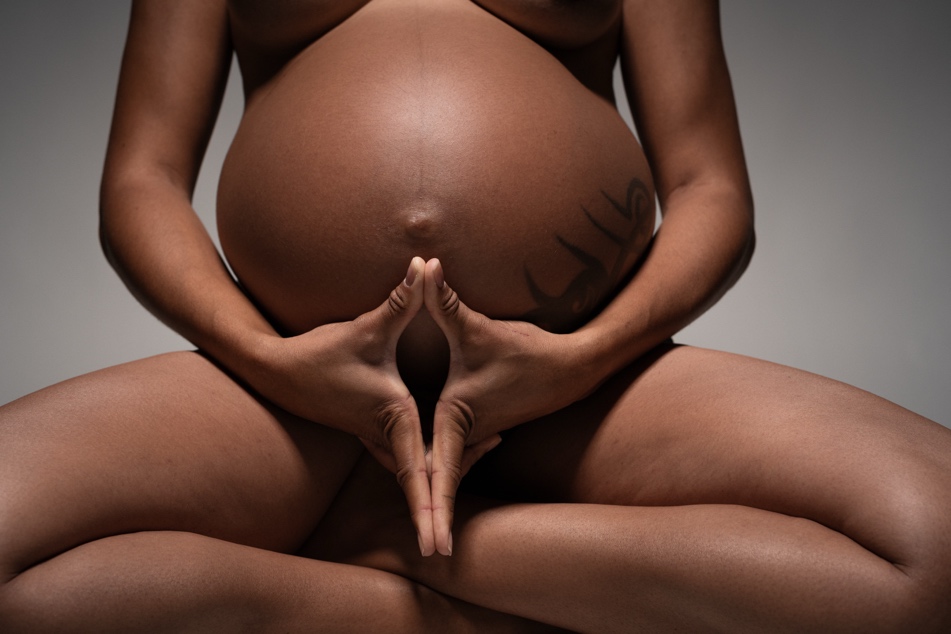
Pregnancy is often spoken about in medical terms. Weeks. Due dates. Scans. Appointments. Measurements. Risk factors. But if you ask most women what pregnancy actually feels like, they won’t start with statistics.
They will talk about
- Exhaustion.
- About hip, lower back especially, neck and shoulder pain and tension.
- Thick, heavy fluid filled legs.
- About lying awake at night wondering how on earth something the size of a watermelon is able to exit their body, through such a small hole.
- About excitement and fear sitting side by side.
Pregnancy is not a clinical condition. It is a physical marathon, an emotional and spiritual initiation, a rite of passage into motherhood. However, in modern maternity care, the mother herself can sometimes feel like the least supported person in the room.
This is where pregnancy and postnatal massage become far more than “pampering.” They become part of the necessary, method of preparation for birth and recovery to ideally índuce a more natural and empowered birth for both mother and baby, thereby minimising complications. They support the regulation of the nervous system at a time when stress levels can quietly rise. They provide grounding when emotions feel heightened and the body feels unfamiliar. They offer steady, consistent support in a maternity system that can sometimes feel fast, procedural, overstretched and invasive. Most importantly, they create space for a woman to be intuitively connected to her own body and baby throughout pregnancy, birth, and the transition into motherhood.
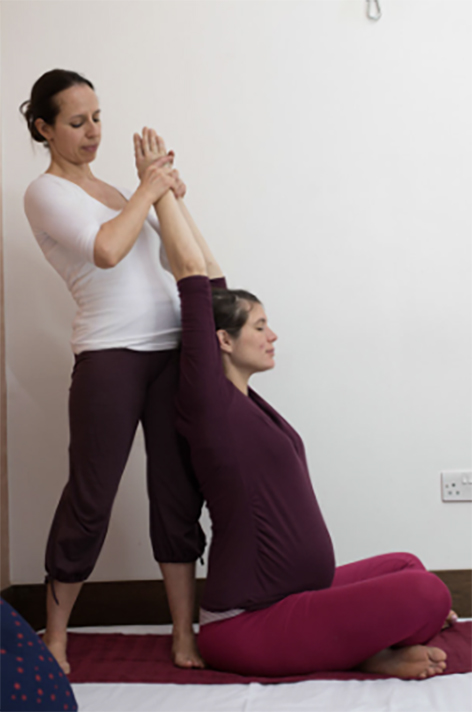
What actually changes in your body during pregnancy
As pregnancy progresses, the body adapts continuously, often in ways that are subtle at first and then increasingly noticeable. The centre of gravity shifts frontward as the baby grows, pulling the spine forward, placing pressure on the lower back and changing how weight is distributed through the hips and legs. Muscles begin to compensate with the increasing weight, especially around the lower, upper back, neck and shoulders, as posture adjusts.
The pelvic ligaments soften under the influence of hormones, particularly relaxin, but this softening does not always feel comfortable. It can lead to instability, aches, pain and a sense that the body is working harder to maintain balance. Sciatic pain is common, due to this imbalance sometimes appearing suddenly and making simple movements like walking, standing or sitting for long or turning in bed difficult. SPD Symphsis Pubis Disorder is a more severe condition, due to ligamental softening, causing pain, discomfort and instability in the pelvis, making walking and exercises difficult, requiring strengthening and keeping the knees in line with the hips when moving.
Circulation of the blood and lymph slows creating fluid retention, due to increased demands on the body, which is why swimming and pregnancy yoga/exercise is recommended, to encourage better movement of nutrients, removal of waste and endorphins. Many women notice swelling pooling in the legs, ankles and feet, especially later in the day. Sleep, already affected by physical discomfort, becomes even more interrupted and light.
Massage supports these changes in a direct and practical way. It helps improve circulation, encourages lymphatic flow, improving immunity and reducing the muscular tension that builds as the body compensates, easing discomfort, improving mobility and flexibility, creating more space, fuller breath thereby supporting better relaxation, rest and deeper sleep.
What women often notice after massage is not just that pain reduces, but that their body feels more manageable. There is less resistance, less constant strain, a lightness, an increase in energy and more space for mum and baby to move and breathe comfortably.
Why your nervous system shapes your birth experience
While the physical changes of pregnancy are visible, what happens within the nervous system is often less obvious but equally important. Labour is not only a mechanical process. It is deeply influenced by hormonal responses, particularly oxytocin, which supports contractions, pain relief and a smoother progression of labour.
Oxytocin is sensitive to mums emotional state. It flows more easily when a woman feels safe, supported, and calm. When stress levels rise, cortisol increases, and this can interfere with how the body responds during labour. A tense body is more likely to resist intensity, while a relaxed body is more able to work with and breathe through it. With fewer interventions the hormones build gradually and cyclically as the body intelligently knows how much and when to release them during the labour.
This connection extends to the baby. The internal environment of the mother, including stress levels and emotional state, influences the baby’s development. When cortisol is elevated over long periods, it circulates through both systems. When the mother feels calm and supported, this creates a more stable environment for the baby as well.
Massage plays a role in regulating this system. It creates repeated opportunities for the body to move out of stress and into relaxation. Over time, this becomes familiar. The body learns what it feels like to soften rather than brace.
This familiarity can make a meaningful difference when labour begins. Instead of entering the experience already holding tension, the body has practised releasing it. This is the preparation, which massage, yoga and exercise help with.
Understanding birth trauma and how to reduce it
For many women, fear around birth is not centred on pain alone. It is linked to the possibility of feeling out of control, not being heard, or being rushed through decisions without understanding what is happening.
Birth trauma often arises from these experiences rather than from the physical aspects of labour itself. Interventions such as induction or assisted delivery can be necessary, but when they occur without clear communication or when not actually medically necessary, a woman feels a lack of autonomy, like she has no voice, resulting in the emotional impact being a significant hinderance.
Previous experiences also play a role. Women who have experienced trauma in other areas and times of their life, may find that certain environments or interactions trigger strong damaging inhibitory responses during labour.
Preparation, clear communication, and having the right support in place, ie. a doula, can reduce this risk. When women feel informed and involved in their birthing process, even unexpected situations are more likely to be processed in a way that feels manageable rather than overwhelming.
It is very clear from statistical data, MBRRACE-UK 2026 data, which shows that black women and women of colour suffer 3 times greater intervention and maternal mortality rates than white women, during pregnancy, birth and early postpartum. We can’t overlook the realities of institutionalised racism within the NHS and racial weathering within our society. This can create disparity in service user care and outcomes. Therefore it is crucial for all women but especially women of colour, to create a handpicked birthing team, ie hire a doula you connect with, so you are surrounded by culturally sensitive advocates. You need to feel safe when you are at your most vulnerable and your birth partner needs to feel they are supported in protecting you through the process. Ref recommendations.
What research tells us about stress and labour
Labour is driven by hormones, particularly oxytocin. Oxytocin flows most freely when a woman feels safe, calm and supported, as with massage. It slows when she feels threatened, observed or anxious.
Research in perinatal psychology shows that chronic stress during pregnancy increases cortisol levels. Elevated cortisol has been associated with poorer sleep, increased muscle tension and heightened pain perception. When the body is tense for months, it does not suddenly relax just because labour begins.
Studies examining prenatal massage have found measurable reductions in cortisol and improvements in serotonin and dopamine levels. Women receiving regular massage during pregnancy have reported reduced anxiety, improved mood and better sleep quality. Some studies have also observed lower rates of premature birth and low birth weight in high stress populations receiving massage therapy.
This matters because labour is not only physical. It is neurological, similar to having an orgasm, you need a quiet, focused, safe, supported, dimly lit, warm, reverent womblike space. A regulated nervous system responds differently to intensity than a chronically tense one. When your body has practised relaxing and releasing, it recognises how to invoke this state more quickly and easily. Regular sex in pregnancy is also encouraged, not only for mum & partners connection and wellbeing, as the hormones are raging for this reason, nature knows, but also the relax and release reflex after orgasm, helping to tonify and strengthen the pelvic floor muscles, bladder control, prolapse reduction and when timely assist with the initiation of labour, as the prostaglandins in sperm react with the cervix membrane, ripening and softening it in readiness and with the liberation of oxyctocin, not called the ‘love hormone’ for nothing, activates uterine contractions. The baby then steps in, team player, with their head pressing down on the cervix signalling the pituitary gland to release more oxyctocin and other hormones in their balanced amounts starting and progressing labour.
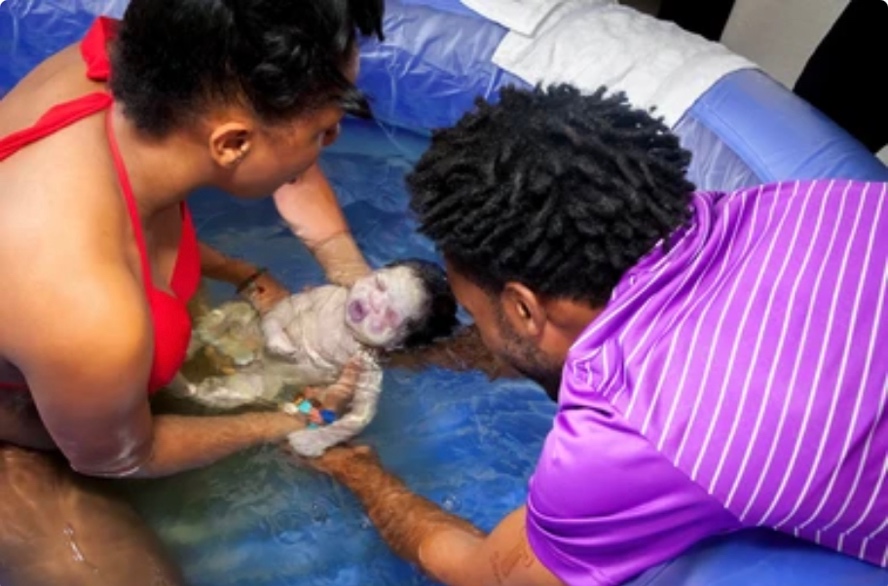
What home birth actually means in modern maternity care
A planned home birth today is very different from the way many people imagine it. In most cases it involves a qualified midwife or just a doula, a birth team, and a clear plan for monitoring the mother and baby throughout labour. Many midwives bring medical equipment, like a foetal heart monitor, tens machine, emergency supplies, and protocols similar to those used in midwife-led birth units.
The goal of home birth is not to avoid professional care but to provide that care consistently without interuption, in a familiar environment where the mother feels more relaxed. In modern maternity systems, home birth is usually offered only to mothers whose pregnancies are considered low risk and who have access to hospital backup if needed. Seen this way, home birth is not an alternative to maternity care. It is one setting within it. Home birth with experienced doula support is essential. Its not a ‘luxury, an alternative or an afterthought’. It’s preventative and abundant to the process.
What research says about safety
The research on home birth can sound confusing because it does not point in only one direction. Some studies suggest outcomes are similar to hospital birth for certain pregnancies, while others highlight potential risks in different contexts. However, understanding why results vary helps parents interpret the evidence more clearly.
Across multiple international studies, one consistent finding emerges. Outcomes for planned home birth depended heavily on whether the pregnancy is low risk, whether a trained professional is present, and whether there is clear access to hospital transfer if needed.
For example, the Birthplace in England study found that for low-risk mothers who had already given birth before, planned home birth was associated with fewer interventions and similar outcomes for babies compared with hospital birth.
Reviews of planned out-of-hospital births have often shown lower rates of intervention, such as caesarean birth, episiotomy, and instrumental delivery, while maternal outcomes remain broadly reassuring when pregnancies are carefully screened and skilled care is available.
At the same time, some studies and professional organisations note that neonatal risks may be slightly higher in certain situations, particularly when pregnancies are not clearly low risk or when emergency transfer pathways are weak. This is why careful assessment, professional attendance, and proximity to hospital care remain essential parts of safe planning. The takeaway is not that home birth is safer. It is that for some pregnancies it can be a safer option when well planned and supported, as with hospital birthing.
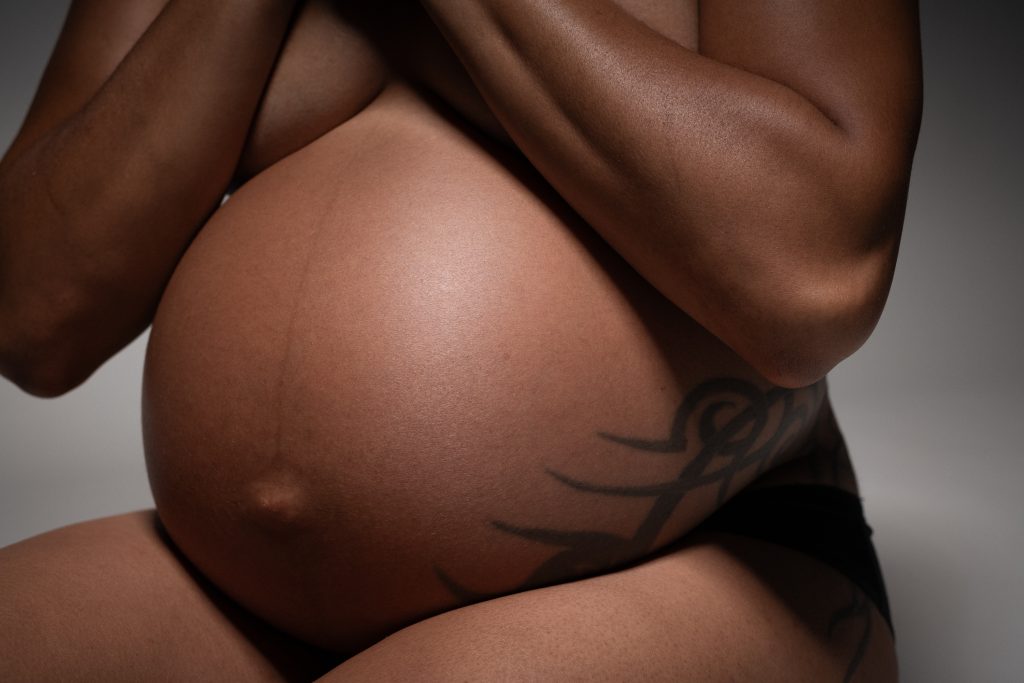
The physical reality of late pregnancy
By the third trimester, many women describe feeling heavy and tight at the same time. Your pelvis is adjusting under the influence of relaxin. Your centre of gravity shifts forward. Your lower back compensates. The muscles between your shoulder blades and neck tighten from the way you now sit and sleep.
Swelling, fluid retention or oedema, in the ankles and or legs, arms, full body becomes common, although some more than others due to emotional holding and kidney dysfunction. Circulation slows. You may wake at night with hip pain, which can graduate to SPD Symphsis Pubis Dysfunction in its heightened form from ligamental softening or restless leg syndrome due to poor circulation, numbness and tingling owing to nerve compression, like sciatica down the hip and legs, RSI Repetitive Strain Injury in the forearms and wrists. These are the usual aches and pains associated with pregnancy because it is biomechanically demanding, alleviated by regular pregnancy and postnatal massage therapy.
Research on therapeutic massage shows improved circulation and lymphatic drainage, reduced muscular tension and improved perception of wellness, which solidifies into a real sense of well being. In practical terms this means less aches and pains, fewer tension headaches and a greater ability to rest and replenish, day and night.
Sleep during pregnancy is not a small issue. Studies link poor sleep quality with increased perception of labour pain and higher anxiety levels approaching birth. Supporting sleep before labour may influence how resilient you feel when contractions begin. Greater oxyctocin release triggers more melatonin production aiding better sleep. Massage provides a space where your body is allowed to soften rather than compensate.
Rising intervention rates and why preparation matters
Recent NHS maternity statistics 2024/25, show that less women are birthing in hospitals, spontaneous deliveries have declined, whereas medically instrumental and caesarean birth rates have risen significantly over recent decades to 45% for women 30yrs and over, which previously related to women over 40. Caesarean sections can be life saving and medically necessary, and many women have positive surgical births. However researchers also discuss the influence of increasing induction rates, continuous monitoring protocols and systemic pressures to birth too early via instrumental delivery, within overstretched maternity services.
Midwifery shortages are well documented. Many hospital units manage high patient volumes with limited staff. This is why it is so important to create your own birthing team. Women sometimes report being asked to return home in early labour due to lack of bed capacity or experiencing delays during admission. These pressures are not caused by individual healthcare professionals but by broader system strain. Why does this matter for you as an individual pregnant woman.
Because labour in a time pressured environment can sometimes move more quickly toward intervention. Induction can intensify contractions, as with the serotonin drip, suddenly all at once, which the body intelligently usually builds more gradually, by releasing the optimal amounts and combination of hormones at the optimal timing. Stronger contractions may increase requests for epidural. Epidurals can sometimes alter labour progression and cause damage when administered incorrectly. This sequence does not happen to everyone. But it happens often enough that understanding it matters. Preparation does not eliminate medical necessity. It does support clarity.
A woman who feels grounded and physically comfortable is more able to ask questions, understand recommendations and participate in decisions. Research on respectful maternity care consistently shows that women who feel informed and involved in decision making, report lower birth trauma even when interventions are required. Massage supports this grounded state. It reduces baseline tension so that when intensity comes, you are not starting from a place of chronic stress and you know how to soften and breathe through it.
Why pregnancy risk level often matters more than birth order
Many women expecting their second or third baby approach birth with a different level of confidence. They understand labour sensations, they know what helped them before, and they often trust themselves more intuitively and feel with more awareness, knowing their body is more prepared for the process.
Research reflects this. Transfer rates from home or midwife-led settings tend to be lower for mothers who have already given birth, and labour patterns are often more predictable in later pregnancies. However, birth order is only one part of the picture. What matters most in determining whether home birth may be suitable is whether the pregnancy is considered low risk.
For healthy, uncomplicated pregnancies, both first-time and experienced mothers may be able to consider home birth or midwife-led care as an option, provided skilled support and clear transfer pathways are in place. Some studies suggest outcomes are particularly reassuring for mothers who have given birth before, but this does not mean first-time mums are automatically excluded.
Ultimately, decisions about birth setting are not based on labels like “first-time” or “second-time” alone. They are based on individual health, professional assessment, and where the mother feels safest and most supported. For many families, the goal is not to follow a trend or ideology. It is simply to choose the environment where birth is most likely to unfold calmly and confidently.
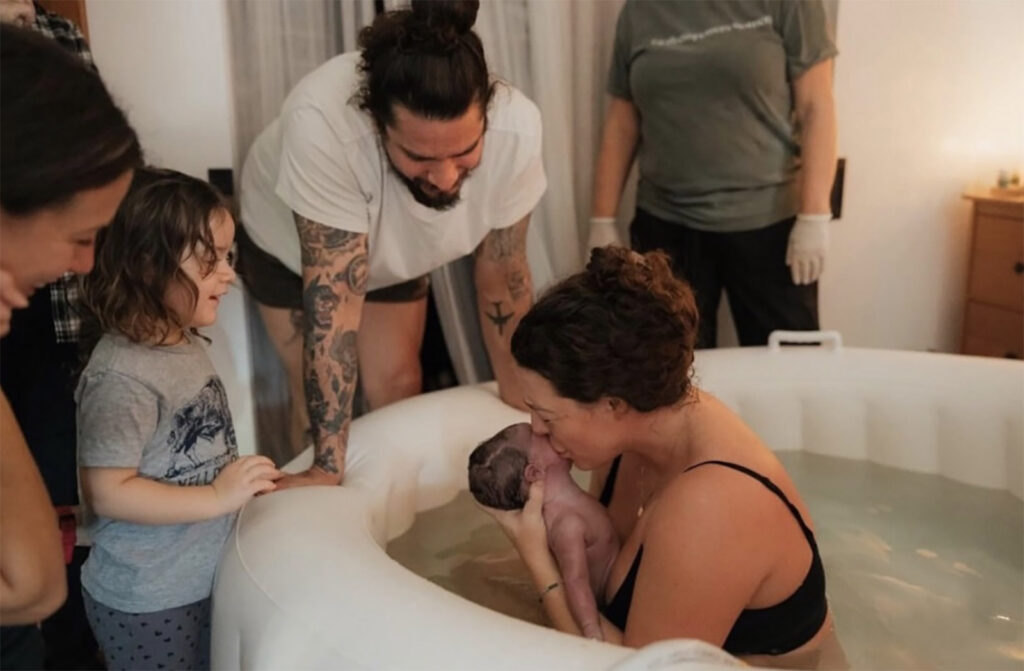
Why environment is important in labour
Birth is driven by hormones, especially oxytocin, which is sensitive to stress and emotional safety. When a mother feels calm and secure, labour often progresses more smoothly. When she feels anxious, rushed, or observed, labour can slow, become more difficult and can stop.
This is one reason some mums-to-be feel drawn to home birth. Others feel reassured by hospital settings where equipment and specialists are immediately available. The key point is that labour tends to work best when the mother feels genuinely safe. Modern maternity care increasingly recognises this. Hospitals now design labour wards to be more flexible, encourage movement with personalised birth plans, and support midwife-led approaches wherever possible.
Another question many mums-to-be have is how pain is managed during birth. At home, the approach to comfort often focuses on movement, water, breathing techniques, massage, and emotional support. Warm baths or birth pools, dim lighting, music, aromas and familiar surroundings can all contribute to a calmer experience. Research states that freedom to move and change positions supports a rhythmic labour progression and reduces the need for intervention.
In hospital settings, additional options such as epidural anaesthesia are available. Mobile epidurals are better so mum has some sensation of contractions and baby descension. For some mothers this can provide reassurance, while others prefer to begin labour without it and decide later if they want or actually need it. What matters most is not which option is “better,” but that mums-to-be understand what is available in each setting and can plan in a way that feels realistic for them. Knowing that plans can change and that transfer to hospital if necessary is always possible often helps mothers feel more relaxed rather than less.
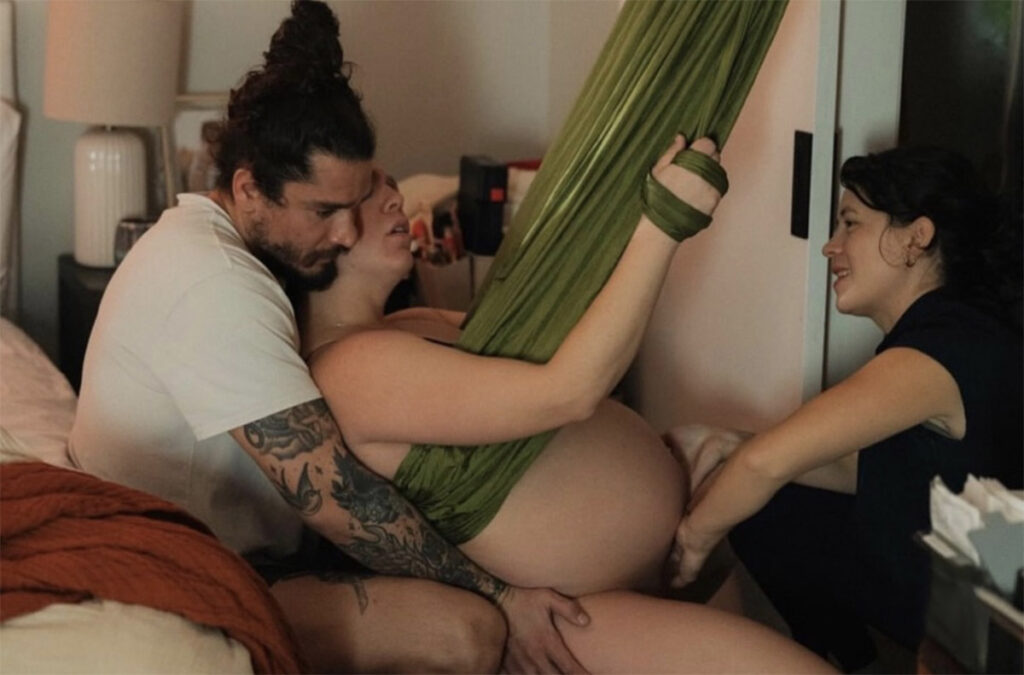
The birthing space as protected and intentional
Birth is not a performance. It is not a family gathering. It is not a social event. It is a physiological process that unfolds best when a woman feels protected, safe and unobserved.
The people present in your birthing space should be those you deeply trust. That may be your partner whether male, female or both. It may include a surrogate arrangement. What shapes a child’s emotional security is love and reverence, not gender configuration. Alongside your partner, your professional support ideally includes a midwife, a doula and maybe a trusted family member or friend.
Research on continuous labour support demonstrates reduced likelihood of operative delivery and increased maternal satisfaction. A doula remains with you throughout labour without shift changes. She provides non clinical emotional steadiness. She helps you understand options if decisions escalate. She protects the atmosphere of the room. Midwives provide essential clinical expertise. Doulas provide continuity, knowledge and expert experience.
Together they form a powerful combination. It is also important to consider who may not need to be present. Well meaning relatives can unintentionally introduce anxiety or conflicting advice. Many women later say they spent early labour trying to manage other people’s emotions. Labour is not the time to host family. Well intentioned parents & parents-in-law are better requested postnatally, unless you know you can truly relax, feeling safe and open with them.
Massage during pregnancy teaches your body what deep safety feels like, connecting to your own innate intuition and your baby, who assists with the birthing process symbiotically, initiating it when their head presses down on the cervix, transmitting the pituitary gland to release oxytocin and start labour. During labour you are more likely to return to that state if you have practised it.
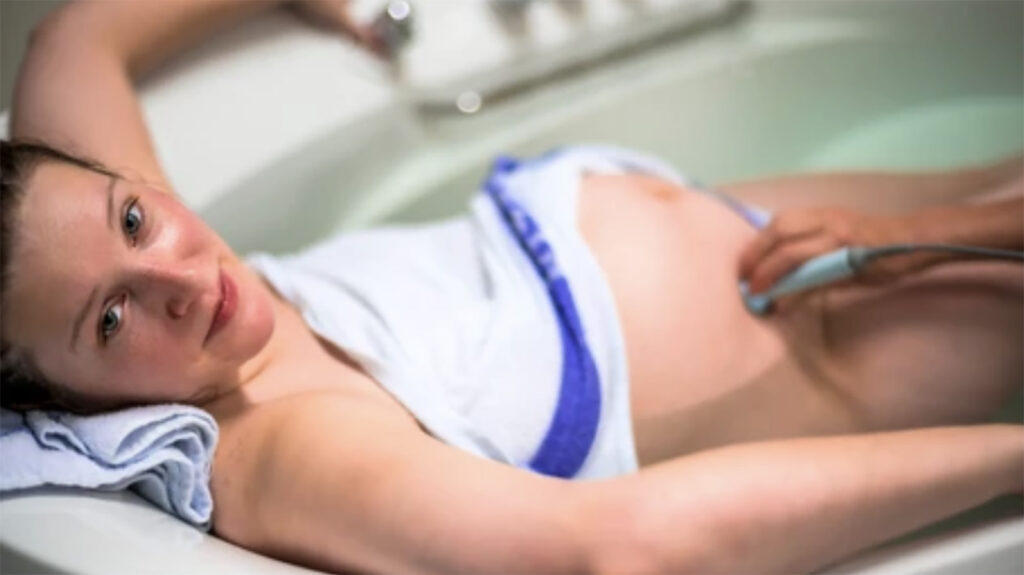
Autonomy and connection
Many women fear not only the pain of labour but the also the possibility of feeling out of control. Birth trauma research shows that trauma is often linked to loss of autonomy rather than physical sensation alone. Feeling unheard, rushed or coerced can leave lasting emotional impact.
Autonomy does not mean refusing medical care. It means understanding it. A woman connected to her body is more likely to notice early labour signs, to move instinctively during contractions and to ask for clarification when recommendations are made.
Massage increases body awareness. It strengthens your sense of inhabiting your own physical space rather than feeling disconnected from it. This connection can influence bonding as well. Early skin to skin contact and oxytocin release are associated with improved maternal infant attachment. A calm, regulated nervous system supports that bonding.
The role of continuous support and doulas
One of the strongest findings in maternity research is the impact of continuous support during labour. Women who have ongoing support from someone they trust are more likely to have spontaneous vaginal births and less likely to require operative intervention.
Hospital midwives and doctors provide essential clinical care, but they usually work shifts and must divide attention between several patients. A doula’s role is different. She provides continuous, non-clinical support before, during, and after birth.
Doulas often meet parents during pregnancy, help them understand their options, remain present throughout labour without shift changes, and offer follow-up support in the postnatal period. This continuity can help mothers feel anchored throughout the experience rather than repeatedly adjusting to new staff.
For many families, independent support helps ensure they receive clear information, emotional steadiness, and practical guidance. This is not about opposing medical advice. It is about helping parents understand their choices, what medical procedures entail, so decisions feel informed rather than rushed.

Postnatal care: the part most people do not prepare for
While much attention is given to preparing for birth, the postnatal period is often where the greatest adjustment takes place. The body is recovering from birth while also adapting to the demands of caring for a newborn. Hormonal shifts, physical healing, and sleep disruption all happen at once.
Without preparation, this period can feel overwhelming.
Practical planning can make a significant difference. Having meals prepared in advance, organising support for household tasks, and creating space for rest can ease the transition. Many women benefit from preparing and freezing food batches in advance, such as soups, stews, curries or nutrient-dense meals, and ensuring that support systems are in place before the baby arrives, with breast feeding, sleep and ailment support.
Emotional support is equally important. Not all family dynamics provide the calm reassurance that is needed in early motherhood. For some, support may come from friends, professionals, or carefully chosen external help.
Postnatal massage offers a way to support recovery during this time. It helps regather, recontain and reground mum energetically, reduces pain and tension, tonifies muscle and fascia integrity, realigns the pelvis, uterus, bladder and other internal organs for better digestion and uterine function, eases constipation, supports circulation and healing effectively, scar tissue healing, improves milk production, calms the nervous system, reducing anxiety and depression, thus allowing the body to nourish and rest more deeply, thereby aiding a faster recovery. It also provides something that is often missing, which is focused care for the mother herself.
Matrescence: understanding the transition into motherhood
The transition into motherhood is sometimes described using the term matrescence. It is a word that many women come across for the first time during pregnancy, and yet, once understood, it often explains so much of what they are feeling.
Matrescence recognises that becoming a mother is not a single moment marked by birth, but an ongoing process of change. It is physical, emotional, psychological, and deeply personal. Just as adolescence reshapes identity, matrescence reshapes how a woman experiences herself, her relationships, and her place in the world.
This transition can feel subtle at times and overwhelming at others. One moment there is a sense of connection and clarity, and the next there may be doubt, vulnerability, or a feeling of being slightly unrecognisable to oneself. These shifts are not a sign that something is wrong. They are part of a body and mind adapting to something significant.
What often makes this period more difficult is not the change itself, but the lack of space to understand it. Many women are expected to adjust quickly, to “bounce back,” or to move forward without fully processing what has happened physically and emotionally.
When matrescence is acknowledged, something shifts. The experience begins to feel less isolating and more understandable. Women realise that the emotional waves, the sensitivity, the need for support, and even the moments of uncertainty are not personal failures. They are part of a transition that deserves care, time, and attention.
Support during this period becomes essential, not optional. It is not only about practical help, but about having spaces where a woman can feel held, understood, and able to reconnect with herself as she moves into this new phase of life and this process needs time and respectful care.
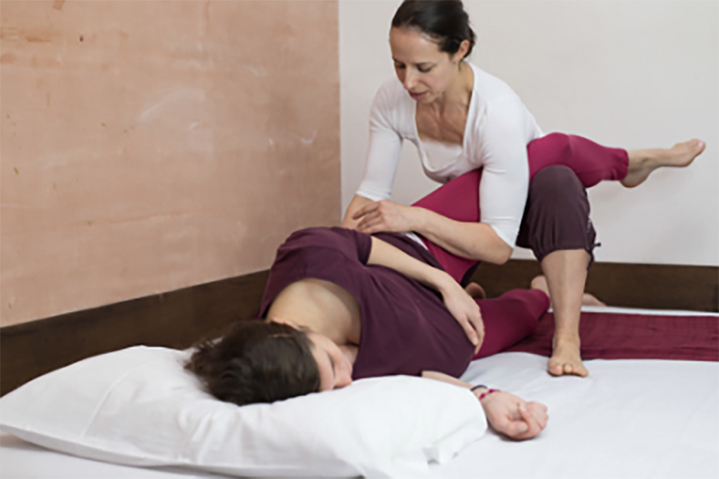
Why pregnancy and postnatal massage matter more than we think
Pregnancy and postnatal massage are often seen as something additional, something to consider if there is time or space. In reality, many women find that once they experience it, they begin to understand how much tension their body had been holding without them fully realising.
Throughout pregnancy, the body carries not only physical weight but also emotional tension. There is a constant adjustment happening beneath the surface. Muscles tighten, breathing patterns shift, and the nervous system responds to both internal changes and external pressures, often becoming more sensitive. Without support, this tension can quietly build over time. Pregnancy massage is recommended throughout pregnancy, generally more gentle and energetic in the first trimester and stronger with deeper stretches and acupressure in the second and third trimesters.
Massage creates an opportunity for the body to pause. Not in a superficial way, but in a way that allows deeper release. It supports circulation, reduces discomfort, and improves rest, but it also does something less obvious. It helps a woman feel herself in her own body again, not just manage it.
This sense of reconnection is important. During pregnancy and especially after birth, many women describe feeling disconnected from their body, as though it has become something they are responsible for rather than something they inhabit. Gentle, consistent therapeutic touch can help rebuild that connection.
In the postnatal period, this becomes even more significant. Recovery is not only physical. It is emotional, hormonal, and often exhausting. The focus naturally shifts to the baby, but the mother is also moving through a profound transition. Without care, this can feel depleting.
Postnatal massage offers a space where the mother is supported directly. It allows the body to release accumulated tension, supports healing, and provides a moment where she is not required to give, but is instead receiving care. Postnatal massage is recommended usually after the first month and with C-sections after 6weeks.
Practitioners such as Eve Khambatta work within this space, offering treatments that are tailored to the individual experience of each woman. This work does not sit outside of maternity care. It complements it by addressing what is often missing, which is consistent, attentive support for the mother’s physical and emotional wellbeing.
Over time, this kind of support has a wider impact. When a woman feels more rested, more regulated, and more connected to her body, it influences how she moves through pregnancy, how she experiences birth, and how she enters motherhood.
It is not about doing more. It is about being supported in a way that allows the body and mind to adapt more naturally to the changes that are already taking place.
Birth as a major life transition
Beyond the clinical aspects, pregnancy and birth are significant emotional and psychological transitions. For many parents they mark a shift in identity, relationships, and sense of self.
When women feel informed, supported, and able to participate in decisions about their care, birth is often described as empowering. When they feel rushed, unheard, or uncertain, the experience can feel very different and positively enlightening.
This is why preparation matters. Birth is not only the arrival of a baby. It is also the beginning of a new phase of life for both parents or single mums, as nature isn’t just one way, what works for one person doesn’t necessarily work for another.
Natural birth and medical care are not opposites
A common misunderstanding is that wanting a natural or physiological birth means rejecting scans, monitoring, which aren’t always needed or professional advice. In reality, most mothers exploring home birth still value modern medicine with discernment.
What they often want is to understand is why something is recommended, what alternatives exist, and how urgent a situation really is. Research on respectful maternity care shows that when mothers feel involved in decisions, their anxiety decreases and their confidence increases. Informed choice is not about refusing care. It is about participating in it.
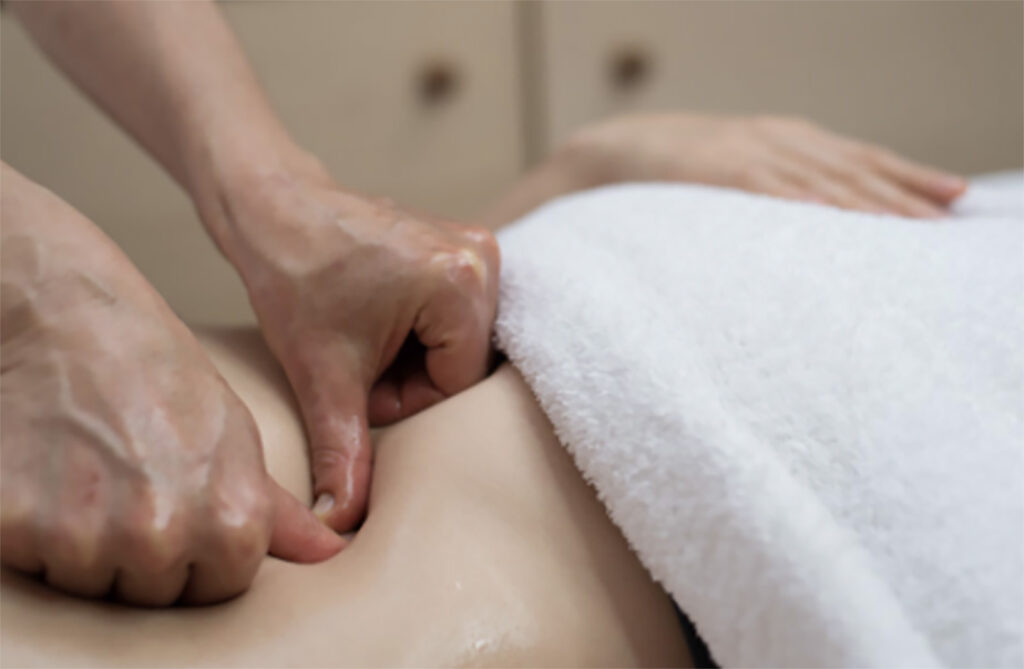

The importance of pregnancy and postnatal massage can help
While medical monitoring focuses on physical safety, preparation for birth also includes how a mother feels in her body and mind. Pregnancy often brings muscular tension, disrupted sleep, anxiety about labour, and uncertainty about recovery.
Supportive therapies such as pregnancy massage are increasingly used alongside maternity care to help mothers relax physically and mentally as birth approaches. Reducing muscular tension, improving circulation, and supporting rest can help women feel more prepared rather than overwhelmed.
Postnatal recovery is just as important. After birth, many mothers move quickly into caring for their baby while neglecting their own healing. Postnatal massage offers a space for physical recovery, emotional grounding, and adjustment to early motherhood.
Practitioners such as Eve Khambatta specialise in pregnancy and postnatal massage that complements clinical maternity care rather than replacing it. This kind of support focuses on helping mothers feel calmer, more connected to their bodies, and better prepared for both birth and the transition into parenting. More information about her services can be found at evekhambatta.co.uk. Some mothers also explore additional postnatal practices such as placenta encapsulation. Research evidence remains limited as many natural alternative medicine pathways are and opinions vary, but interest in these approaches reflects a broader desire among parents to take an active role in their recovery and wellbeing after birth.
Why these services matter
Pregnancy and postnatal massage are not indulgent extras or a ‘treat’. They are a form of preventative care for your nervous system at a time when your body is carrying extraordinary physical and emotional demand. They help you prepare for the intensity of labour, offer moments of genuine care in a system that can often feel busy, and support you in resting before sleep becomes fragmented. They ease muscular tension before contractions begin and give you space to exhale before stepping into something life changing.
In my practice, pregnancy and postnatal treatments are created specifically for women moving through this transition. Each session is shaped around how you are feeling physically and emotionally at that stage. The aim is not simply relaxation, but reassurance. A calm, quiet space where your body can soften, your breathing can slow, and you can reconnect with yourself before everything shifts.
Whether you give birth at home or in hospital, whether intervention becomes necessary or not, whether labour is quick or long, a regulated body changes how the experience feels and exists. If you are reading this and quietly wondering whether you are allowed to prioritise your own comfort and preparation, the answer is yes. Supporting yourself is not selfish. It is wise. Pregnancy is not only about growing a baby. It is about sustaining yourself as you bring that baby into the world. You deserve care in that process, not just clinical monitoring, but real support for you, which is why pregnancy and postnatal massage with birth preparation coaching is so necessary. Birth is universal. Choice and care should be also. When a woman trusts herself and her body, prepares her mind and emotions, birthing is joyful and peaceful.
Written by Zainab Farrukh @zainab_farrukh in collaboration with Eve Khambatta www.evekhambatta.co.uk
References:
Recommended Doulas
Nikita Akilapa https://www.nikitaakilapa.com
Kim Craig https://www.thebirthingyear.co.uk
Vicky Walker https://www.vickywalker.co.uk
Jenny Miller-Kan https://www.bellyandbloom.co.uk
Sophie Messenger https://sophiemessager.com
Alexa Dean https://alexadean.co.uk
Natalie Meddings https://www.nataliemeddings.com
Doula UK https://doula.org.uk
Lolly Stirk https://www.lollystirk.co.uk